Star Member
 |
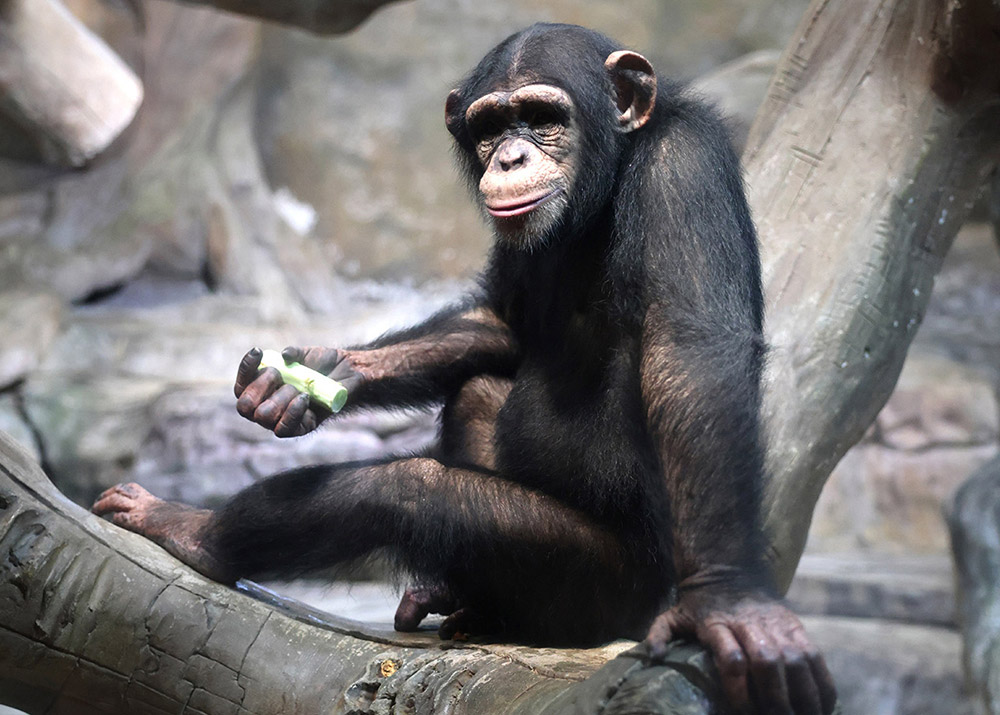 |

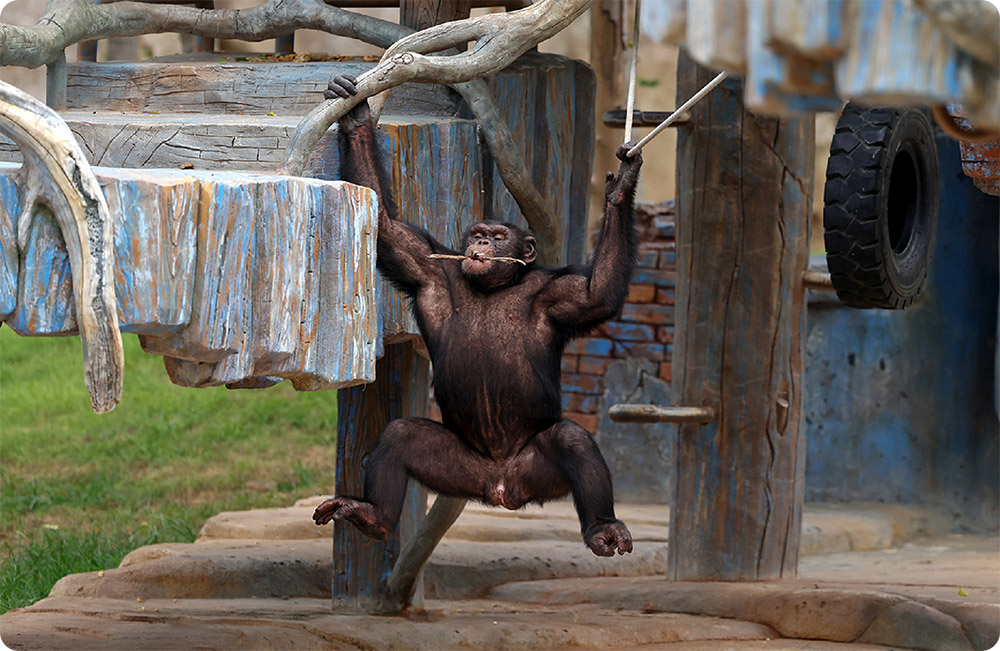
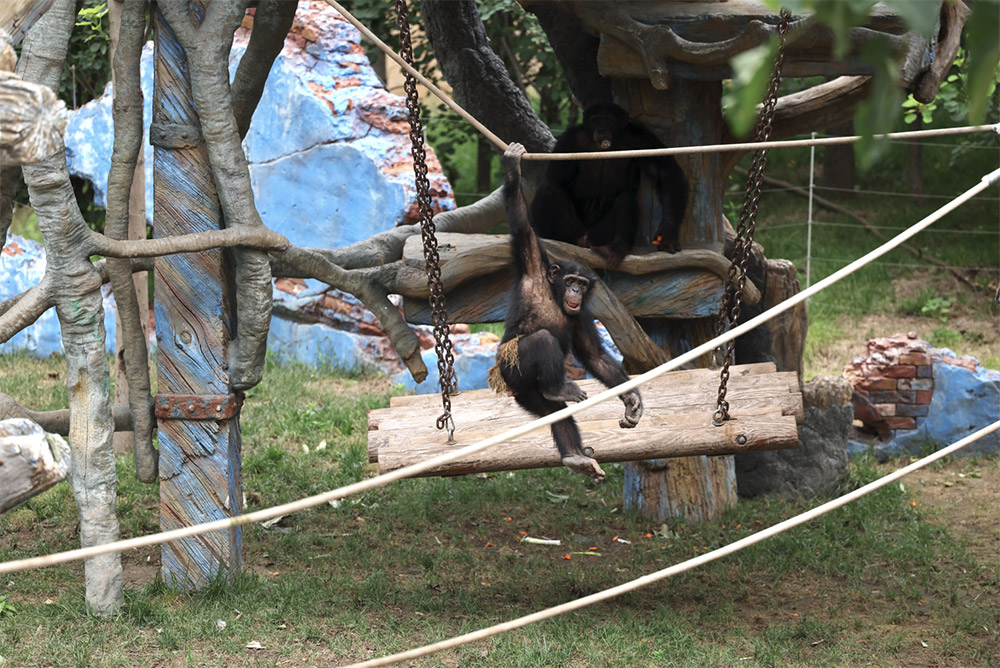
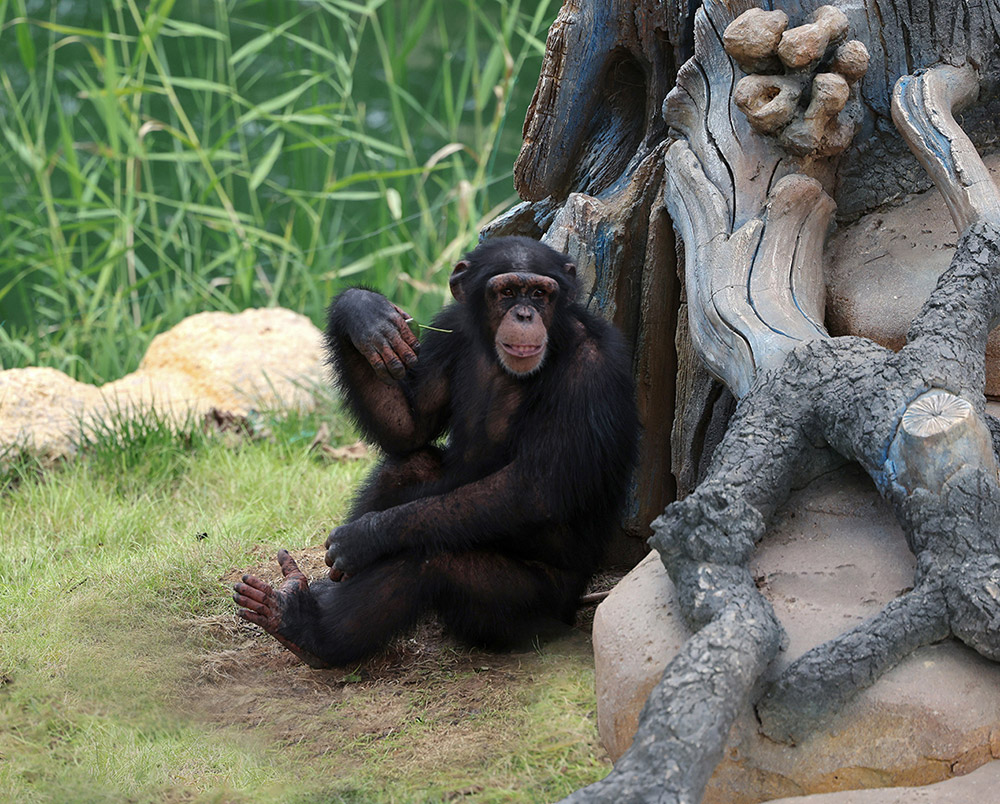
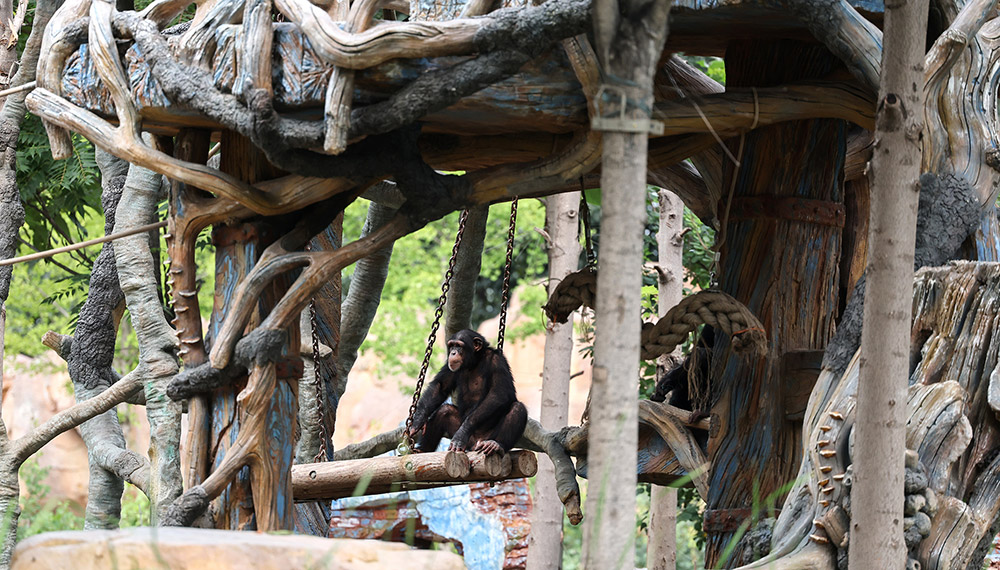
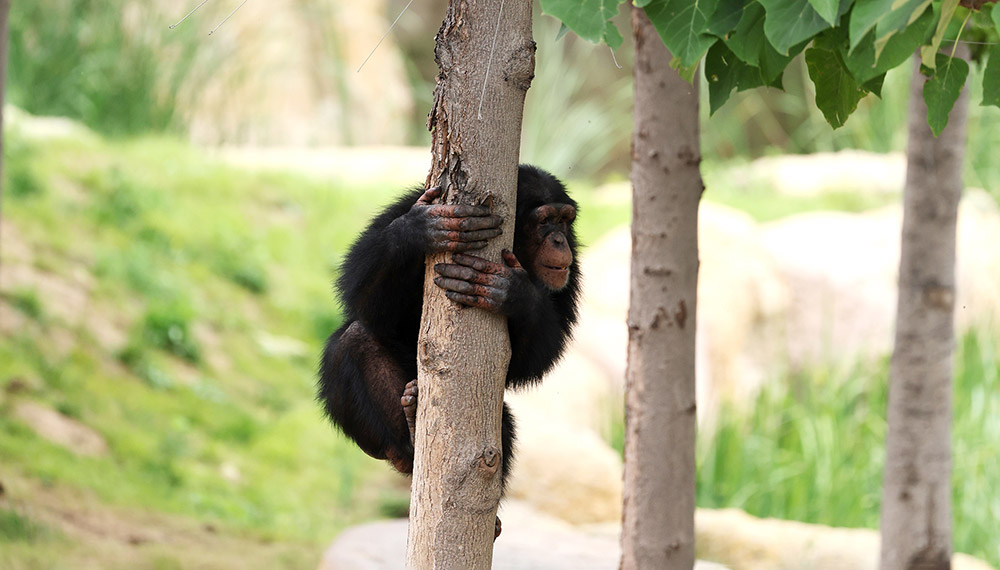
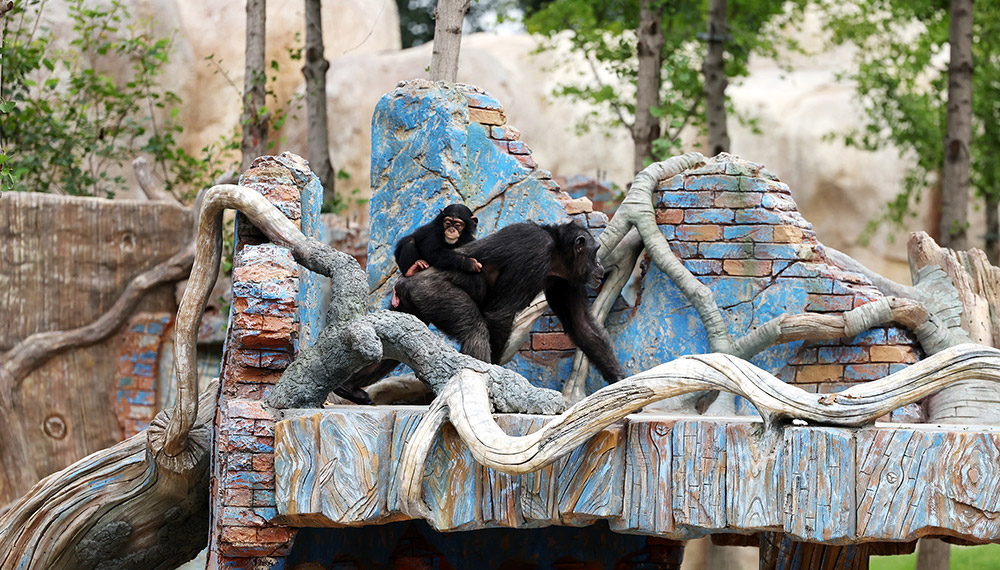
They are omnivorous opportunistic foragers, with fruits accounting for about half of their diet. Their food is usually supplemented by terrestrial herbs, leaves, stems, seeds, flowers, bark, honey, mushrooms, resin, bird eggs, as well as prey such as insects and medium-sized mammals.
They live in fission-fusion societies composed of multiple males and females, with an average group size of 35 individuals.
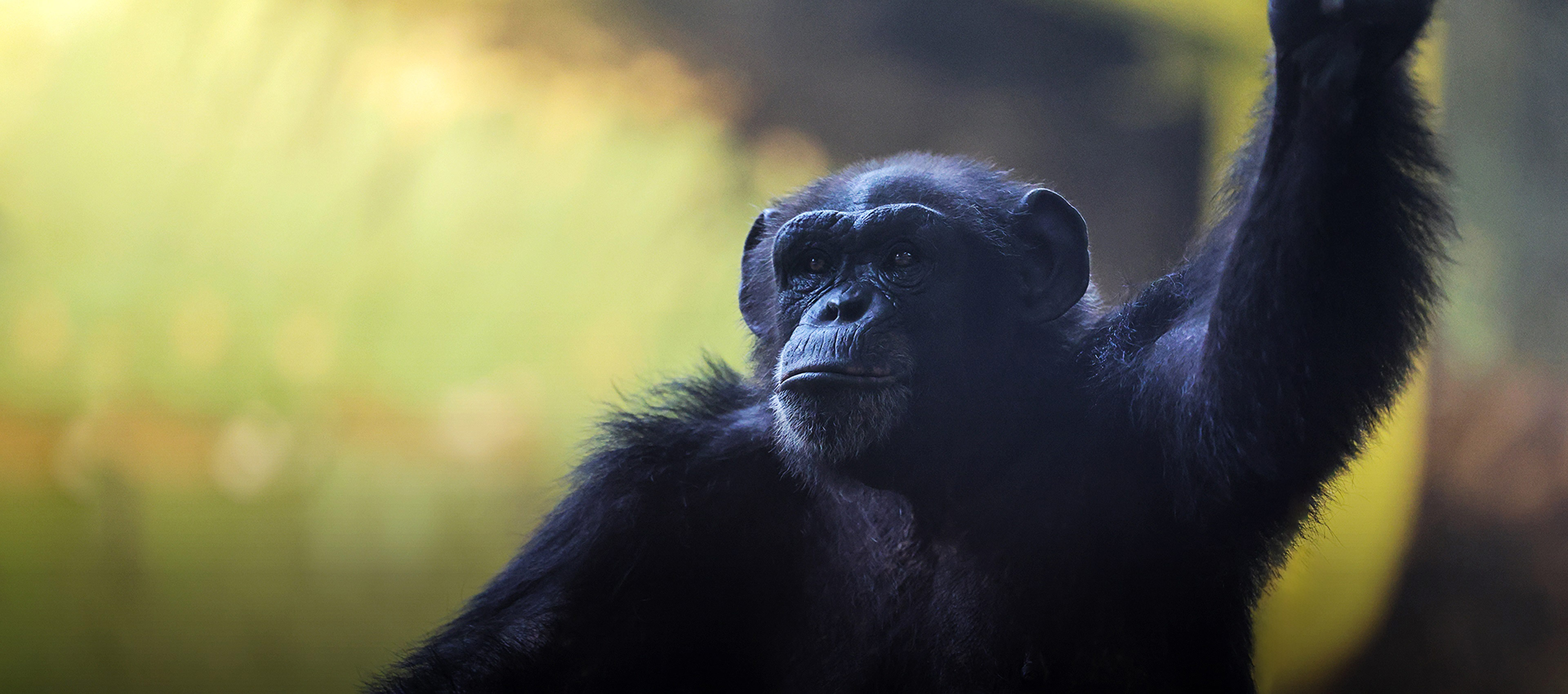
As humans' closest evolutionary relatives, chimpanzees share a 98.8% genome similarity with humans, even higher than the genetic difference between them and bonobos (Pan paniscus). They have a strict hierarchical social structure: group members form small teams with changing daily activities, and gather into large groups to rest at night. They communicate through complex calls, gestures and facial expressions. In the ecosystem, chimpanzees act as key seed dispersers; their fruit-eating behavior greatly promotes the renewal and spread of forest tree species. However, this intelligent species is endangered due to habitat loss, poaching and infectious diseases. Their survival is not only about the fate of a single species, but also about the understanding of the evolution of complex social intelligence and the health of the entire tropical forest ecosystem.
|
|
|
 Official WeChat Account