Species Classification
Mammalia, Proboscidea
Lifespan
60-70 years
Average Size
Males:2-7 tons
Females:2-5 tons
Distribution Area
Africa
Habitat
Forests, grasslands, thorn thickets and semi-arid jungles
What do African savanna elephants eat?

Herbivore – feeds on grass, bark, branches and plant fruits.

What are the behavioral characteristics of African savanna elephants?

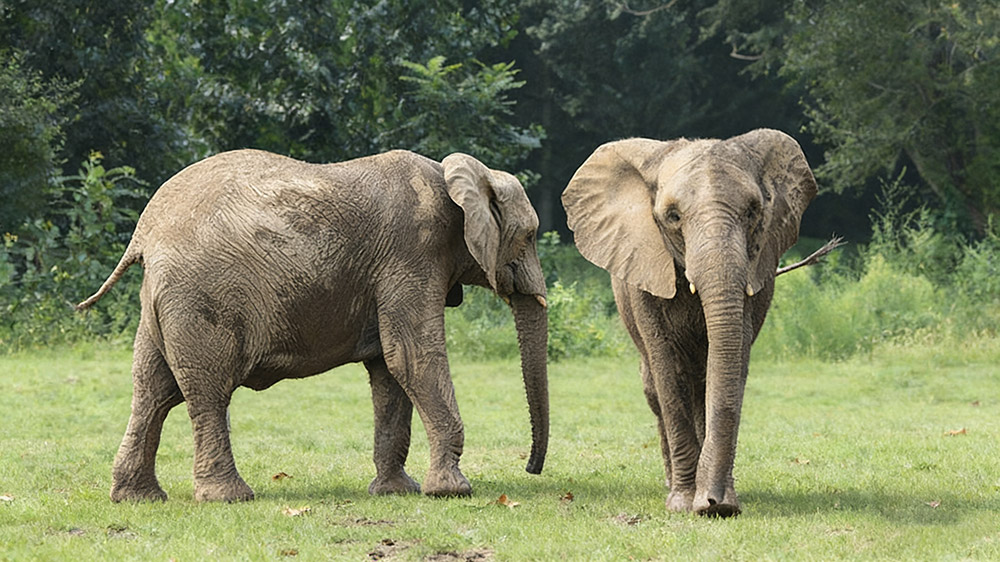
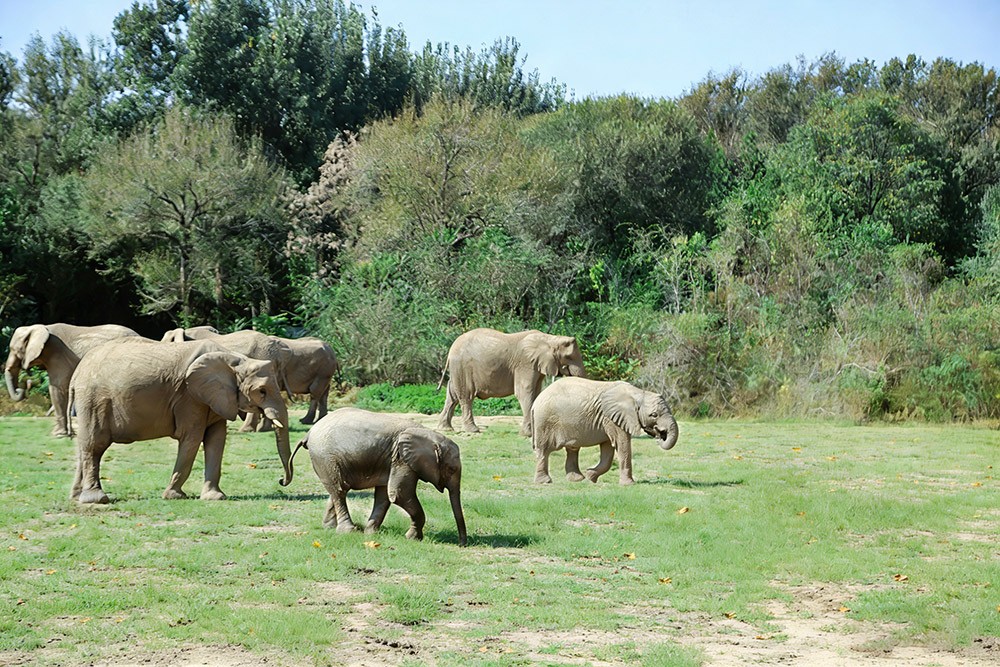
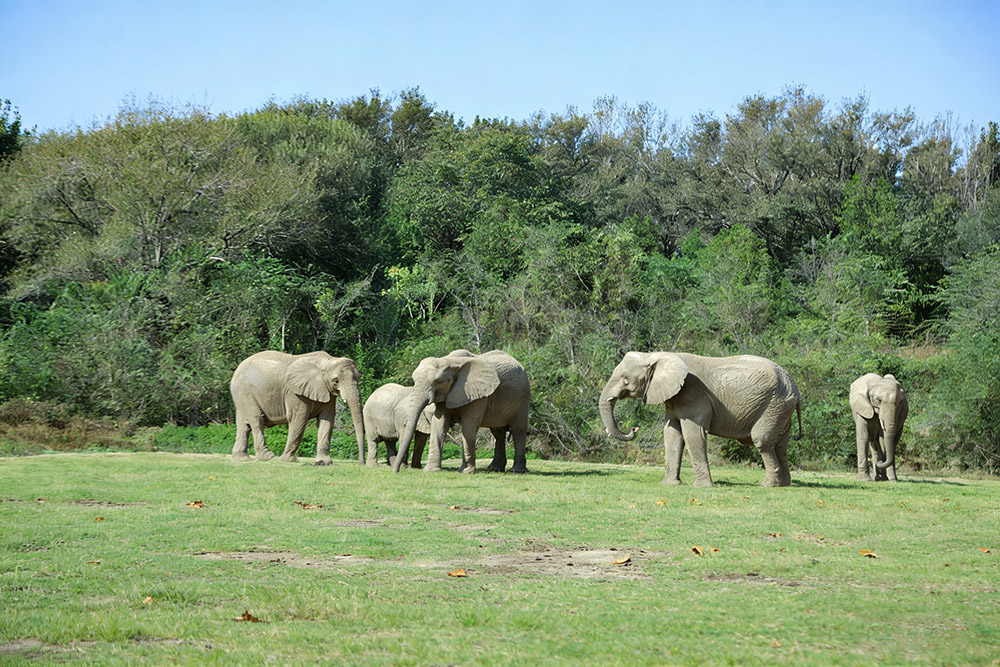
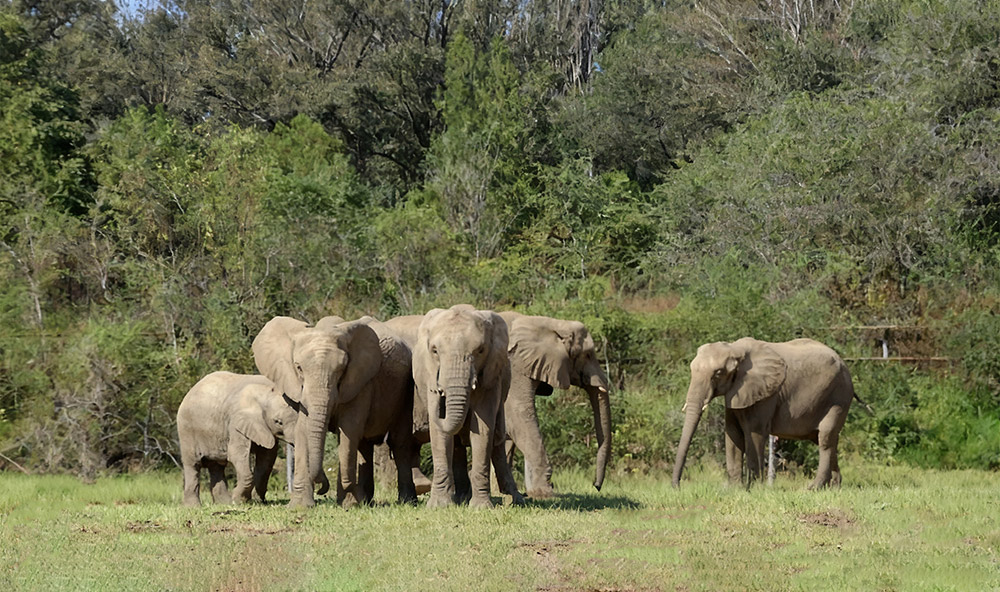
Highly similar to humans, they are social animals that live in small family groups, usually led by an elderly female matriarch and consisting of several generations of female relatives. Mature males are typically solitary, but may also live in small bachelor groups of three to four individuals. They care for weak or injured group members and even appear to grieve for deceased companions.

What amazing functions does an elephant's long trunk have? Why is their survival still precarious?

He existence of African elephants helps maintain suitable habitats for many other species. In the forests of Central Africa, up to 30% of tree species may rely on elephants to aid in seed dispersal and germination.

Elephant gestation and reproduction is a slow process.Their gestation period is almost longer than that of any other mammal, lasting about 22 months. Female elephants usually give birth to only one calf every three to six years. Their birth rate averages 5% to 6% per year, while the poaching rate stands at 8% to 9%, leading to a net decline in population numbers. If poaching continues unabated, extinction will be a very real threat.

They spend a great deal of time feeding. Elephants walk long distances for most of the day to forage for grass, fruits, roots and bark. They can consume up to 136 kilograms of food and drink 113 to 190 liters of water in a single day.

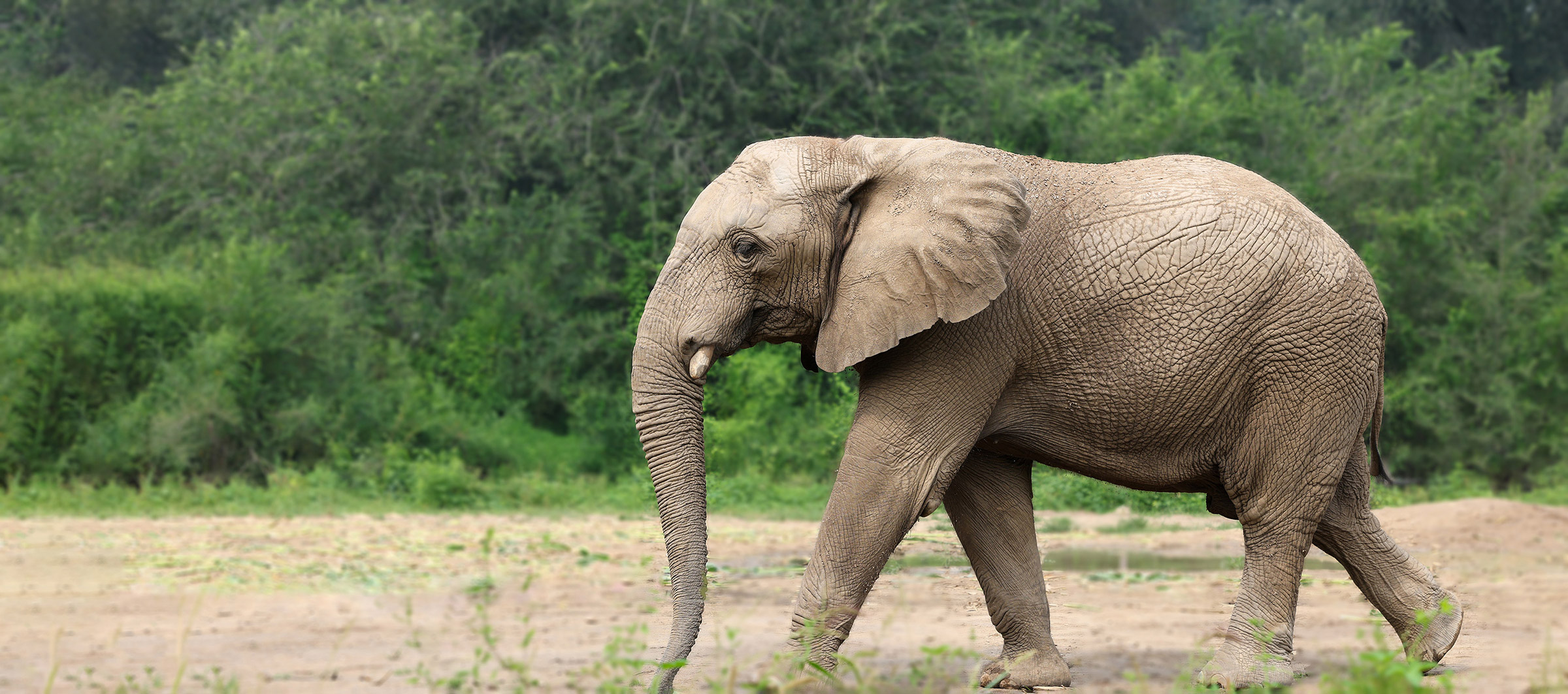
Elephants have a long trunk used for breathing, smelling, drinking water, trumpeting and grasping objects. The trunk can cover their bodies with mud or water to retain moisture. Its tip has two finger-like protrusions for gripping small items. Elephants also use their trunks to express affection by frequently touching and caressing each other.

Our African Savanna Elephant
非洲草原象
非洲草原象
非洲草原象
Star Member


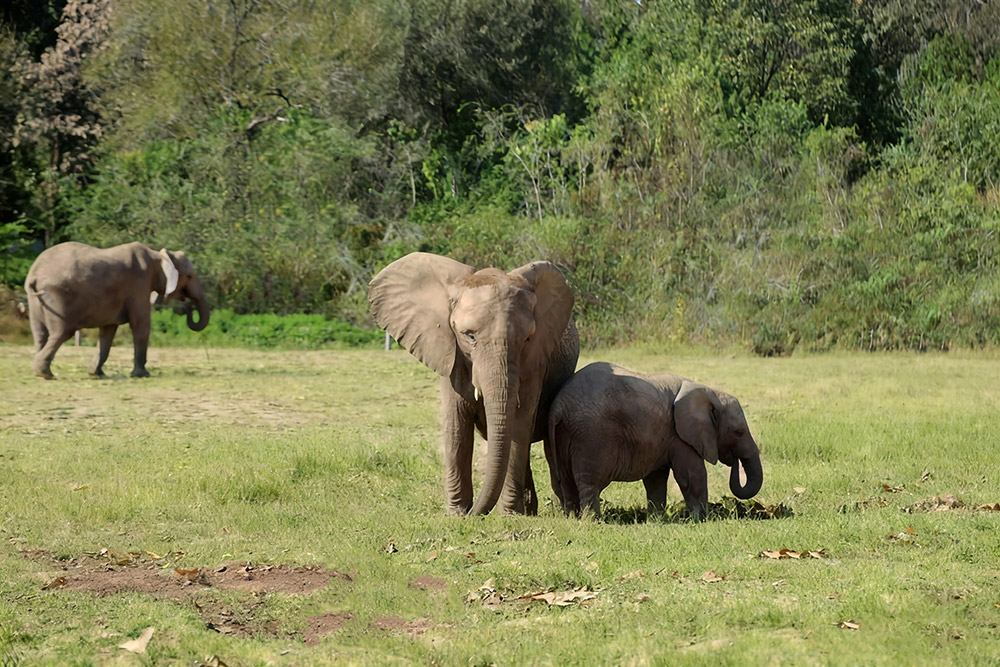
Baby elephant Qianjin is a much-loved new addition to the African savanna elephant family. Her tiny, cute body is exceptionally lively, and she follows her mother step by step with curiosity and innocence. From time to time, she uses her still uncoordinated long trunk to curl up tender grass on the ground and bring it to her mouth, looking utterly adorable. When the herd rests, she loves to dart and play among the elephants, chasing and frolicking with other baby elephants and letting out cheerful calls. Sometimes she mischievously touches her mother's tail with her trunk, prompting the mother elephant to turn around and look at her with gentle eyes, as if saying, "Little rascal, stop messing around."
Other Animals