The wetland area of our zoo also serves as an important stopover for wild migratory birds. To ensure the health and safety of all animals, we have established a comprehensive active monitoring system for avian influenza to proactively guard against potential epidemic risks.
Frequently Asked Questions
What is avian influenza, and how is it related to HPAI and H5N1?
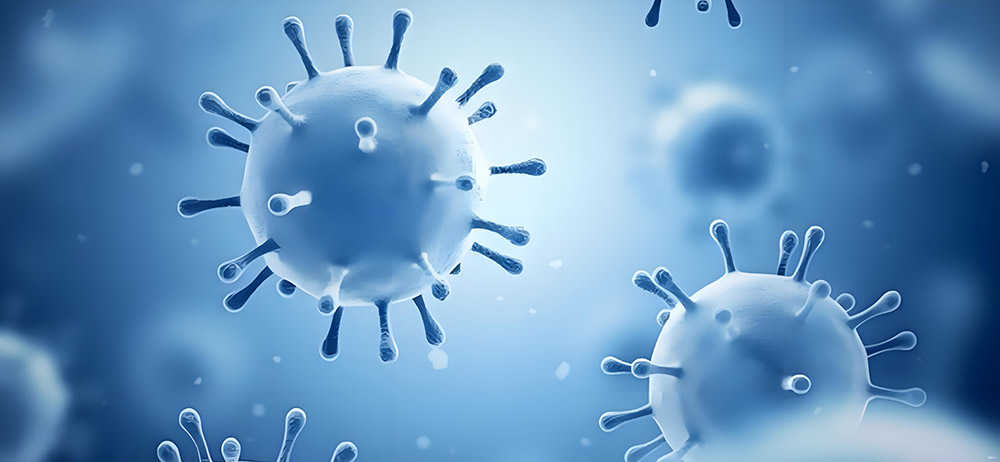
“Avian influenza is an infectious disease in birds caused by influenza A virus. H5N1 is one of the highly pathogenic strains, and HPAI (Highly Pathogenic Avian Influenza) refers to virus types that spread rapidly and have high mortality rates in birds. These are different from human seasonal influenza.
How does avian influenza spread?
The virus is mainly transmitted through the saliva, nasal secretions and feces of wild birds. Other animals such as scavengers and small rodents may also carry the virus if they contact contaminated environments. Humans may accidentally bring the virus into the park via shoes or clothing. For more information on human transmission, please refer to the official website of the national center for disease control.
What measures has the zoo taken to protect birds?
We have adopted a multi-layered protection strategy:Staff use protective equipment and follow strict disinfection procedures when handling birds;Physical isolation facilities are installed in outdoor bird exhibits; if necessary, pools will be drained and animals moved indoors;All newly introduced animals must complete at least 30 days of quarantine;We continuously monitor the health status of local wild birds.
How will an outbreak be handled?
Once an outbreak occurs, the zoo will implement partial or full closure in accordance with the emergency response plan. Infected animals will receive isolated treatment based on species characteristics to strictly control the spread of the epidemic.
What symptoms do infected animals show?
Symptoms can appear within hours after infection.Mild cases include heavy breathing and red eyes.Severe cases involve lethargy, loss of appetite, incoordination, facial swelling, possibly accompanied by nasal discharge or diarrhea.Timely treatment can improve survival rates, but the disease still carries a high risk of death.
Can humans catch avian influenza?
Human infection is extremely rare. Reported cases so far have mainly been among workers with close contact with infected poultry.
Can dogs and cats get avian influenza?
Yes. Carnivores can become infected by eating infected poultry meat, and cats are more susceptible than dogs.Recommendations:Keep cats indoors or on a leash when outside;Keep dogs on a leash during walks to prevent scavenging;Always thoroughly cook poultry and eggs before feeding.
How to protect wild birds in yards?
Regularly clean feeders and birdbaths with soapy water and avoid overcrowding of birds to effectively prevent the spread of many diseases.
How to protect domestic poultry?
The best protection is to separate them from wild birds. Use protective nets, wire mesh or solid roofs for isolation. Ensure their water sources are not contaminated by wild birds. Use dedicated footwear and regularly disinfect breeding equipment.
We always put the health and safety of animals and visitors first. Through a continuously improved prevention and control system, we are committed to building a safe environment for the harmonious coexistence of humans and animals.