Many animals kept at our zoo are part of regional and even global conservation breeding programs.These programs aim to establish sustainable captive populations for endangered species through scientific population management, and to release individuals back into the wild when conditions are appropriate.The practical experience we have accumulated in animal behavior, nutrition, health, and veterinary care also provides an important reference for colleagues at home and abroad.
Scientific Population Management
Establishing and maintaining sustainable breeding populations is one of the core components of our conservation work.We participate in domestic and international cooperative programs, and the breeding pairs of all participating individuals are selected through rigorous genetic assessment and management.Through professional pedigree recording and scientific pairing recommendations, we strive to maintain good genetic diversity within the population and ensure the healthy survival of these species in human care.
In conservation breeding practice, we have established a comprehensive working system:
- Develop species-specific breeding management plans.
- Implement systematic cub-rearing and nutrition management programs.
- Conduct standardized individual identification and pedigree recording.
- Perform regular population viability analysis
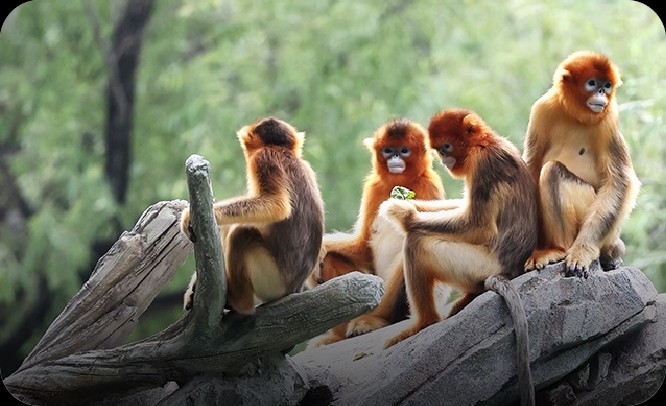
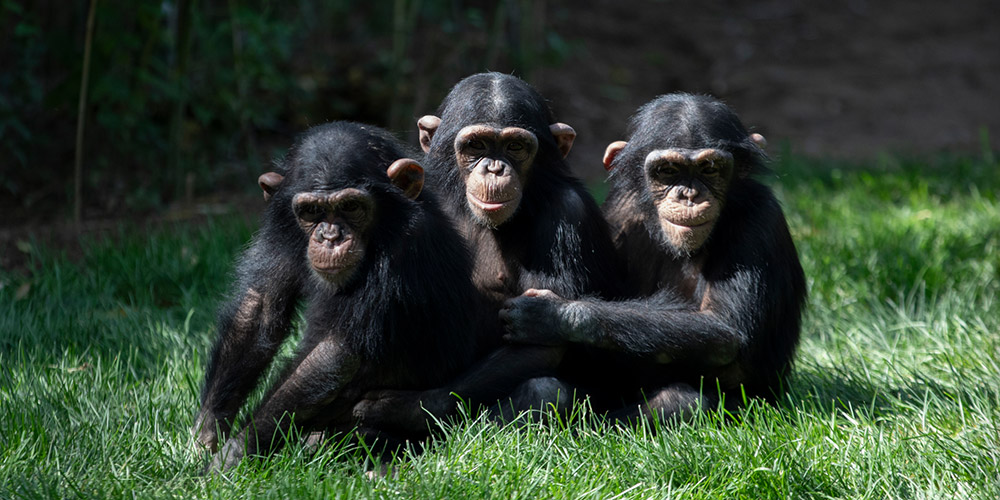
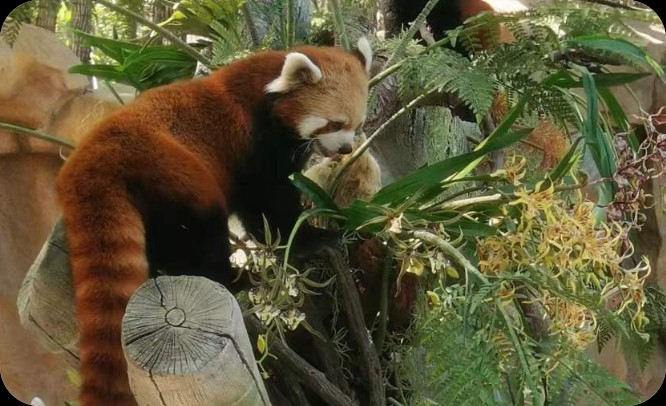
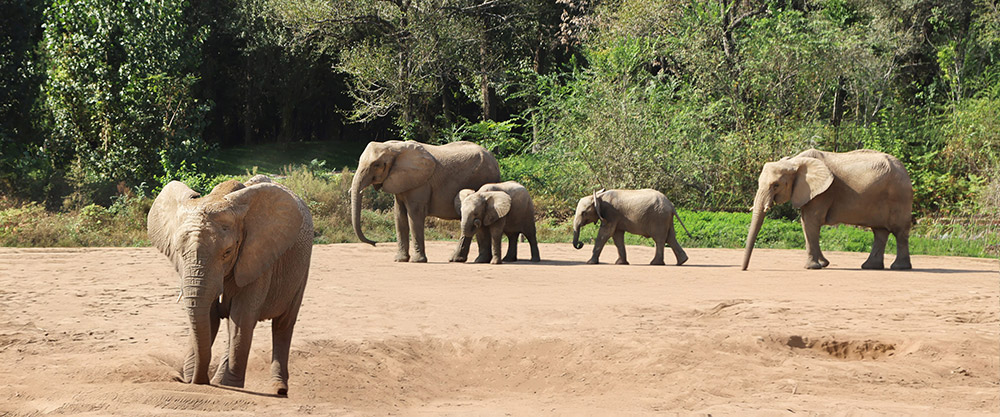
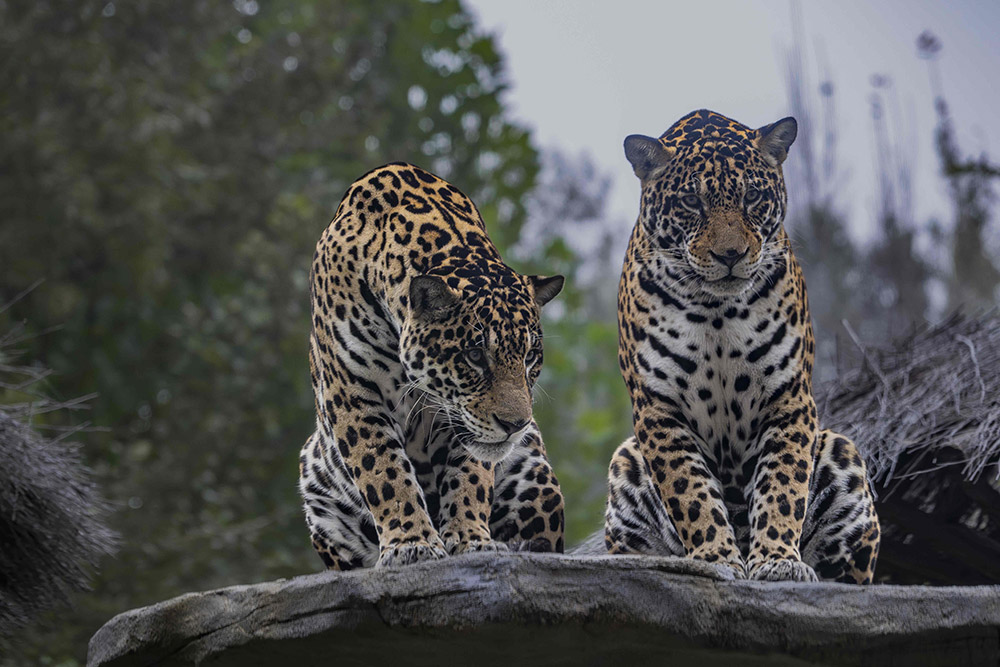
To date, we have successfully established stable breeding populations of many rare species, including:Sichuan golden snub-nosed monkey, chimpanzee, African elephant, jaguar, and red panda.These populations not only provide vital genetic resources for the global conservation network but also offer valuable opportunities for public education and scientific research.
As an important part of the species conservation system, conservation breeding provides critical survival security for species threatened in the wild.Through these efforts, we contribute professional expertise to global biodiversity conservation.
Practice and Preparation for Wild Reintroduction
Reintroducing animals bred in captivity back into their natural habitats is an integrated approach to species recovery.Once reintroduction is determined as the optimal conservation strategy, we will support or establish conservation breeding bases in the native habitats of target species and promote habitat restoration simultaneously.In this process, we conduct comprehensive disease risk analysis and pre-release training, carefully assessing and avoiding potential risks to existing ecosystems.We always conduct wildlife conservation practices worldwide based on scientific research, committed to promoting the substantive recovery of endangered species populations.