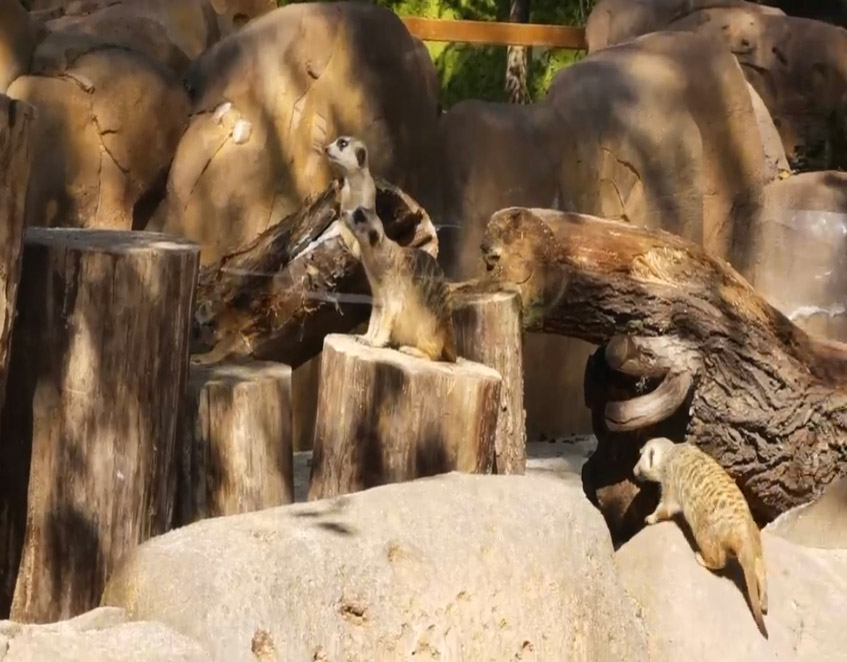
Animal Enrichment

In our zoo, enrichment is never simply giving animals toys.It is about creating a naturalistic space for behavioral expression based on the wild habits, behavioral needs and physiological characteristics of each species, allowing them to display their natural instincts even in a human-managed environment.

What is Animal Enrichment?

Animal enrichment is a scientific management approach that meets the physical, psychological and social needs of animals by optimizing habitats, designing interactive scenarios and providing behavioral choices.Simply put, it is to create a living environment where animals “have things to do and places to explore”, helping them maintain physical health and positive mental state.It reduces stereotypic behaviors caused by a monotonous environment (such as repetitive pacing, over-grooming, etc.), allowing every animal to live more comfortably and dynamically.

Our Enrichment:Tailor-Made to Restore Natural Instincts

Based on the characteristics of different species, our keepers and behavioral experts work together to design exclusive enrichment plans that fully match the animals’ needs.
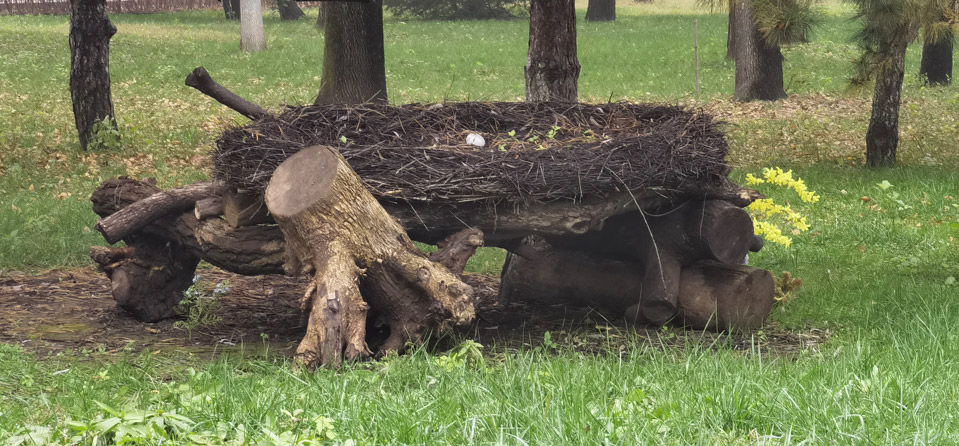
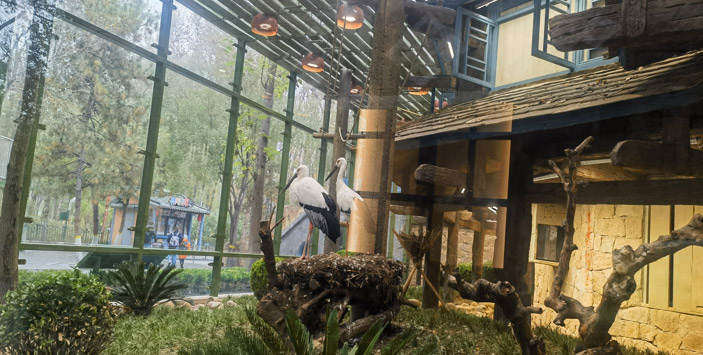
Case


Behind Enrichment: Observation and Innovation by a Professional Team

The implementation of every enrichment plan relies on careful observation and continuous optimization by the team:

  • Preliminary Research:Behavior experts determine the core direction of enrichment based on animals’ wild habits (e.g., diet, activity patterns, social behavior) and the conditions of zoo exhibits.
  • Plan Design:Keepers participate in designing and making enrichment props using safe, eco-friendly materials(e.g., natural wood for perches, non-toxic plastic for foraging devices) to ensure animal safety.
  • Dynamic Adjustment:After implementation, the team continuously observes animal responses.For example, if a red panda shows little interest in a climbing frame, the height will be adjusted or food rewards added.If a macaw quickly solves a foraging device, its complexity will be upgraded to keep enrichment “fresh and challenging”.

You Can Join In: From Observation to Conservation

During your visit, take time to notice animals enjoying enrichment:watch a takin “standing on tiptoes” to eat leaves,an African lion focusing on tearing at “prey”,or a brown capuchin monkey cracking nuts. Every moment of your attention is recognition of animal welfare work.The enrichment knowledge you learn through zoo education helps more people understand the importance of respecting animal instincts,and together we can create a better living environment for wildlife.