Epidemic disease monitoring is a core part of safeguarding animal health and preventing public health risks. We have established a full-park, multi-species, and multi-level active monitoring system to achieve early warning, rapid diagnosis, and effective control of infectious diseases.
I. What is Epidemic Disease Monitoring
Epidemic disease monitoring refers to the systematic collection, testing and data analysis of samples to continuously track the occurrence and transmission trends of infectious diseases in animal populations.Its objectives are:
- Timely detect the risk of pathogen introduction and spread.
- Master the epidemic patterns of key diseases in the park.
- Provide a scientific basis for animal immunization, isolation and treatment.
II. Monitoring Objects and Priorities
The park’s epidemic disease monitoring system covers the following key targets:
- Key animal groups: newly introduced animals, primates, birds, ungulates, and rare and endangered species.
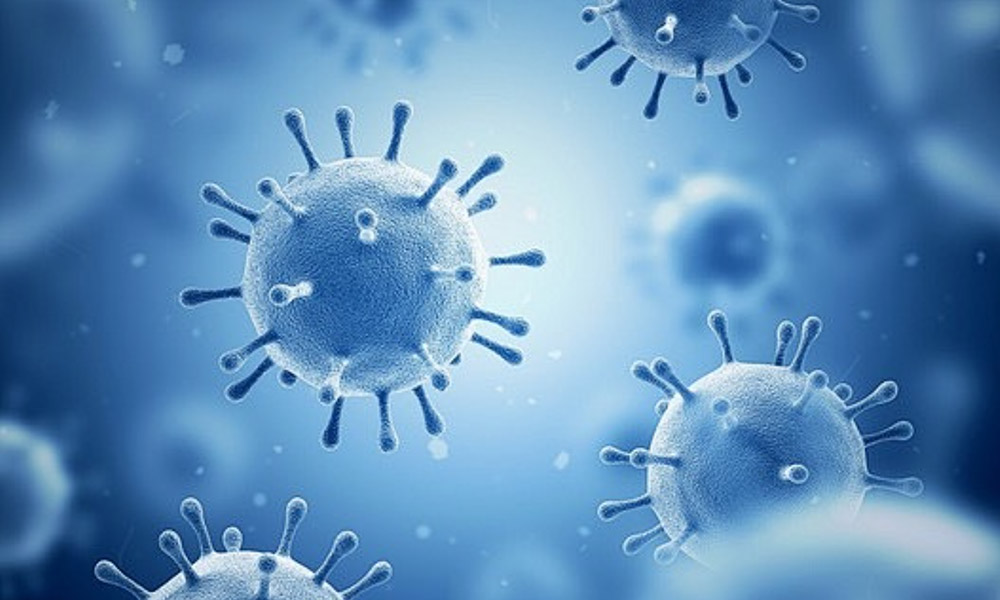
- High-risk pathogen types: viral diseases (e.g., avian influenza, canine distemper), bacterial diseases (e.g., tuberculosis), zoonotic diseases, and parasitic diseases.
- Key transmission links: contact risks between wild animals and park animals, feed and water safety, environmental and facility contamination.
III. Our Monitoring Measures
1.Health Inspection and Reporting
- Keepers record daily animal behavior, feeding and mental condition.
- Veterinarians conduct immediate preliminary examination and sampling for abnormal individuals.
- Establish a standardized process of “discovery – reporting – response”.
2.Laboratory Testing System
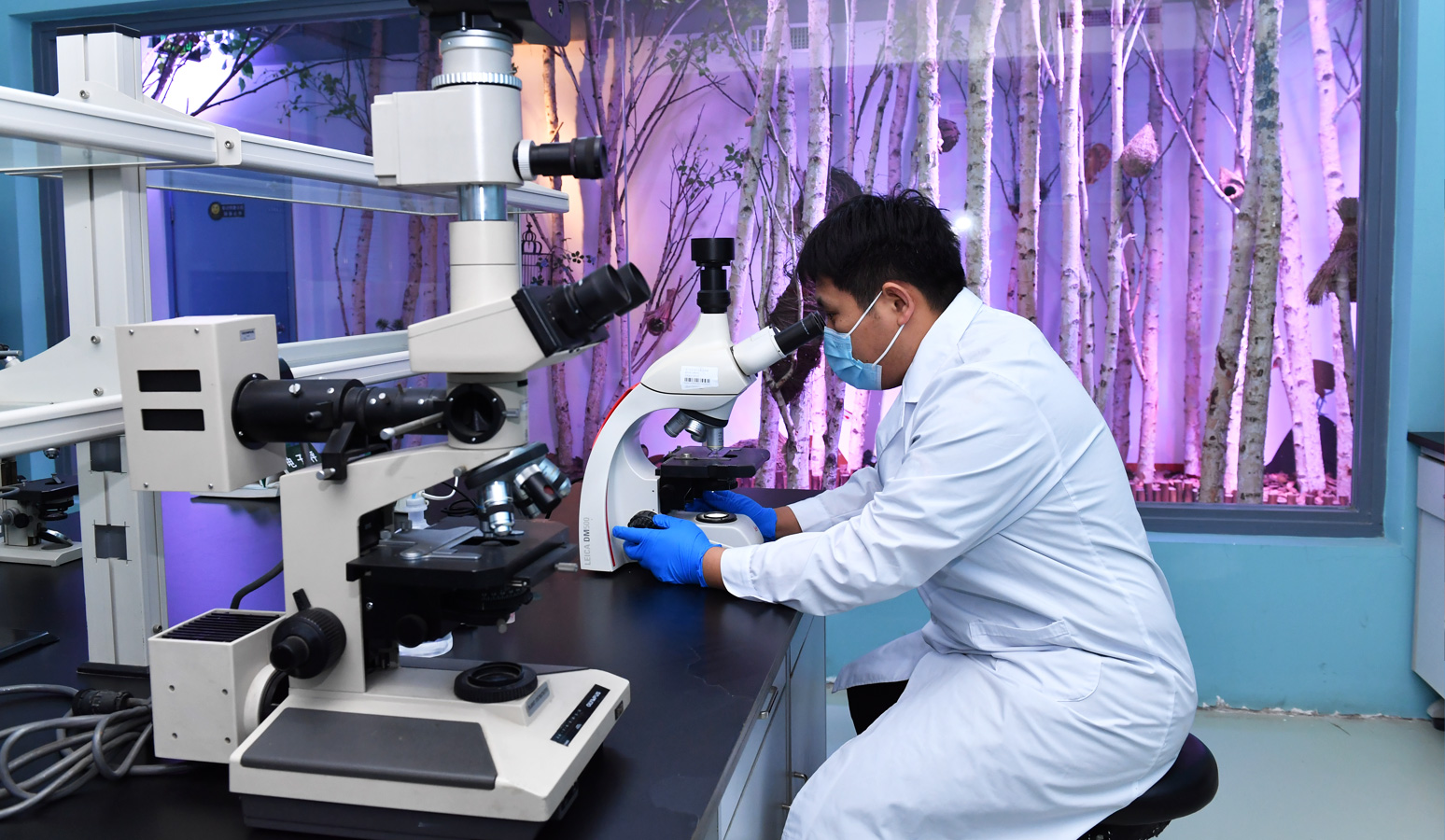
- Perform hematology, fecal, microbiological and molecular biological testing.
- Implement isolation, quarantine and special screening for newly introduced animals and suspected cases.
- Conduct regular environmental pathogen monitoring in key areas.
3.Immunization and Prevention Management
- Develop differentiated immunization procedures based on disease risk assessment.
- Provide protection training and health management for high-contact staff.
- Carry out high-frequency environmental disinfection in tourist-dense areas.
4.Data Management and Early Warning
- Establish an animal health database to realize dynamic tracking of individual and population health.
- Share monitoring information with centers for disease control and wildlife protection institutions.
- Regularly compile disease risk assessment reports and update prevention and control strategies.
IV. Frequently Asked Questions
Q1:How does the zoo prevent the spread of diseases among
We build multiple lines of defense through separated housing, regular quarantine, vaccination, environmental disinfection and staff movement control to minimize the risk of disease transmission.
Q2:Can visitors catch diseases from animals?
The risk of infection is extremely low as long as visitors follow tour rules, keep a safe distance and maintain good hand hygiene. The zoo is equipped with disinfection facilities and continuously conducts monitoring of zoonotic diseases.
Q3:How will the zoo respond if an epidemic occurs?
We will immediately activate the emergency plan, take control measures including isolating infected individuals, locking down relevant areas, strengthening disinfection and suspending visits, and report the situation in accordance with official procedures.
Q4:How does the zoo manage disease risks from newly introduced animals?
All newly introduced animals must complete a quarantine period, undergo a full health check and necessary vaccinations. They will only be integrated into the population after being confirmed free of potential transmission risks.
Guided by the principle of “Prevention first, monitoring ahead, rapid response”, we continuously improve the disease monitoring network and are committed to building a healthy and safe environment shared by humans and animals.