Parasite prevention and control is one of the core tasks to ensure the health of animal populations and maintain ecosystem balance. We have established a comprehensive prevention and control system covering monitoring, prevention, control and scientific research to address health risks caused by internal and external parasites.
I. What are Parasites?
Parasites are organisms that live on or inside another organism (host), obtain nutrients from the host, and may cause harm. They mainly include:
Internal parasites: such as roundworms, tapeworms, coccidia, etc., often parasitic in the digestive tract, blood or internal organs.
External parasites: such as ticks, mites, lice, etc., mainly attached to the skin, feathers or hair.
II. What are the Hazards of Parasites?
Parasitic infection may cause:
- Weight loss, anemia and stunted growth in animals.
- Skin damage, hair loss and persistent itching.
- Indigestion, diarrhea and malnutrition.
- Secondary bacterial or viral infections that worsen the condition.
- In severe cases, death of young individuals or decline in overall population health.
III. Our Prevention and Control Measures
1.Health Monitoring and Testing
- Conduct comprehensive parasite screening for all newly introduced animals.
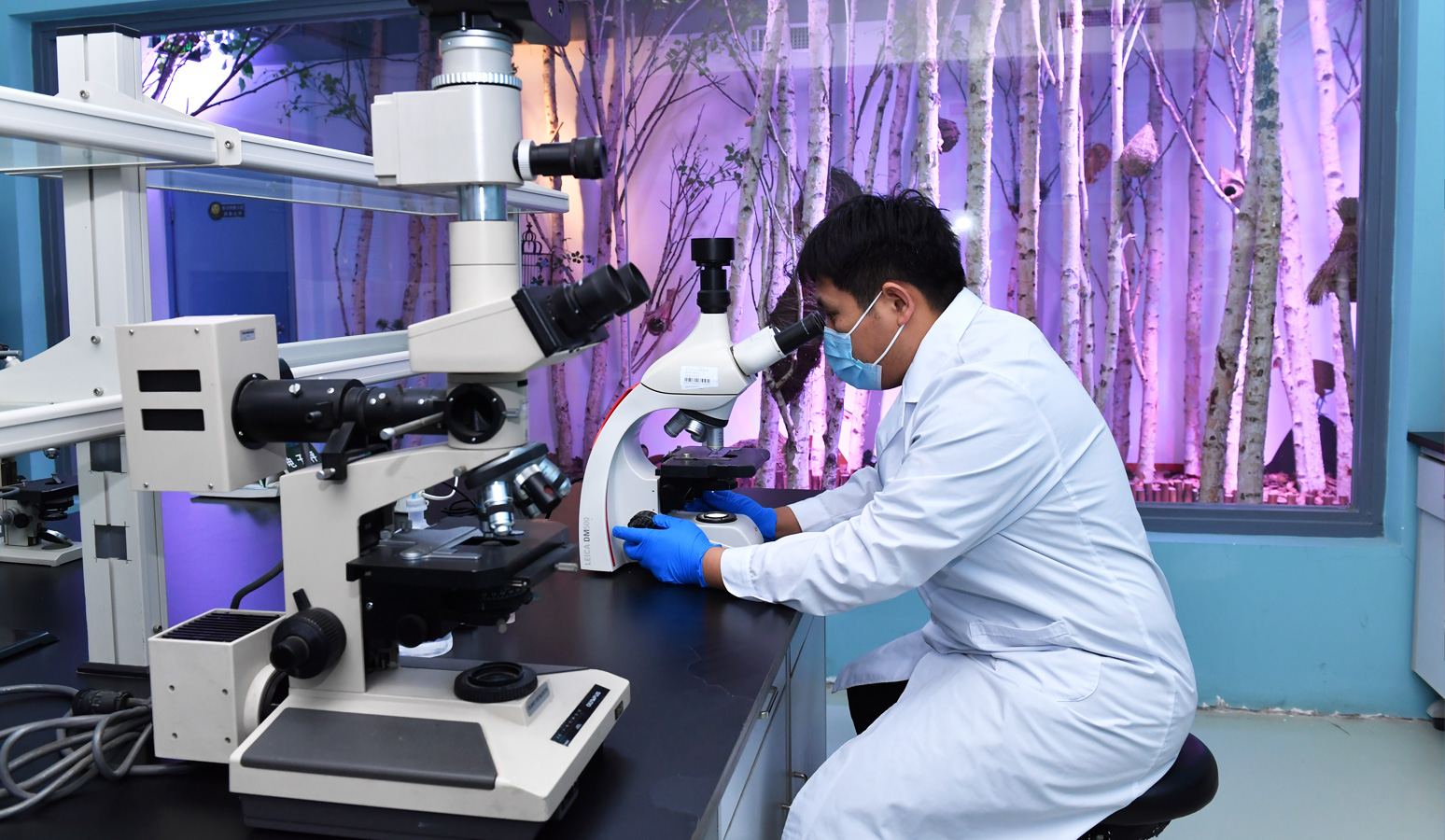
- Perform regular fecal, blood and physical examinations for animals in the park.
- Establish individual parasite health records and implement dynamic monitoring.
2.Environmental Management and Disinfection
- Regularly clean animal habitats, exercise areas and pools.
- Clean and chemically disinfect breeding facilities, bedding and feeding utensils.
- Control the breeding of intermediate hosts (such as snails and insects) in the environment.
3.Scientific Deworming and Treatment
- Develop tailored deworming plans based on species, age and parasite type.
- Use safe and effective medicines, and rotate them to prevent drug resistance.
- Isolate and treat infected individuals to prevent group transmission.
4.Scientific Research and Cooperation
- Conduct parasite species identification and drug resistance monitoring.
- Participate in the formulation and revision of industry guidelines for parasite prevention and control.
- Exchange prevention and control experience and technologies with domestic and foreign institutions.
IV. Frequently Asked Questions
Q1: Why do zoo animals get infected with parasites?
Just as wild animals are exposed to parasites in their natural environment, zoo animals may become infected through food, water, the environment, or newly introduced individuals. A sound prevention and control system can effectively reduce the risk of infection.
Q2: Can parasites be transmitted to visitors?
The risk of infection for visitors is extremely low as long as they follow the visiting rules, keep a safe distance, and maintain good personal hand hygiene. All our animals are under the health monitoring and control system, and free disinfection facilities are available in the park.
Q3:What should I do if my pet has come into contact with wild animals?
We recommend deworming your pet regularly and avoiding direct contact with wild animal carcasses or feces. If your pet shows abnormal symptoms, please seek veterinary diagnosis and treatment promptly.
Q4:What should I do if I see an animal scratching repeatedly or losing weight in the park?
Thank you for your concern! Please inform our staff immediately, and the animal management team will conduct timely health observation and assessment of the animal.
We always put animal welfare and population health first. Through a continuously improved parasite prevention and control system, we create a safe and comfortable living environment for animals and provide a reassuring experience for the public.